
Program Schedule
| Time | Sunday 21.02.2027 | Monday 22.02.2027 | Tuesday 23.02.2027 |
|---|---|---|---|
| Fachgruppensitzung | Technical Program 8:30–17:00 |
Technical Program 8:30–14:00 |
|
| AI in test, influence on tool makers, education, DFT | |||
| Social Event 17:00–22:00 |
Keynote Talks
Architecting Reliability from Concept Definition
Reliability is not an additional design requirement to be verified at the end of development. It is an architectural dimension that must be optimized together with performance, power, area, safety, security, and cost.
This keynote explores reliability as a system-level design discipline, to illustrate how degradation mechanisms in modern SoC development can be anticipated, modeled, and managed through architectural techniques such as redundancy, error correction, wear leveling, and health monitoring. It further discusses the role of system-level modeling in evaluating reliability trade-offs and avoiding unnecessary overdesign.
Finally, it examines how AI can enhance reliability-aware architecture exploration by connecting failure mechanisms, system models, and field data to support more informed design decisions.
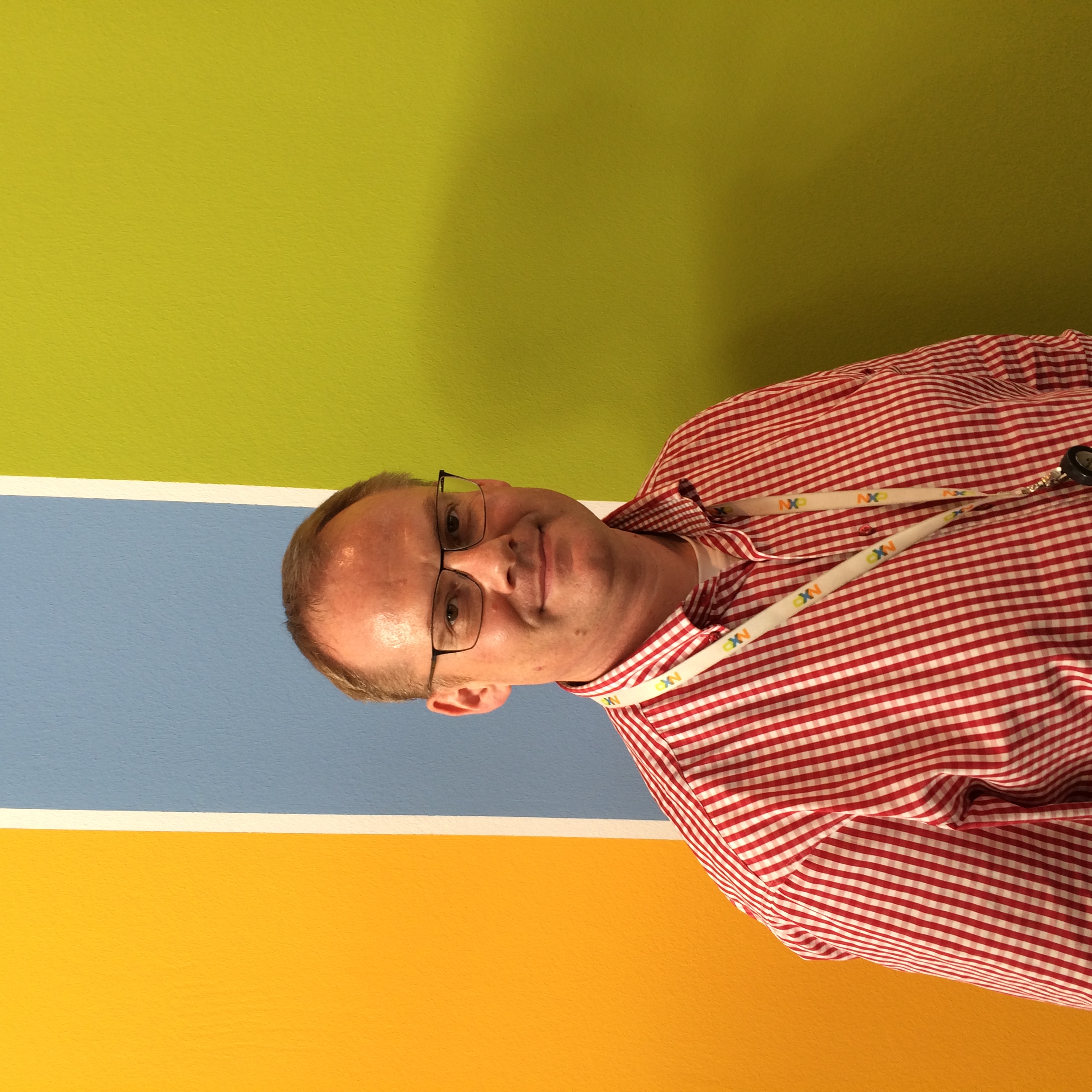
Thomas Rottschäfer, Fellow, Head of Secure Element System Engineering at NXP Semiconductors. He received his Dipl.-Ing. degree in electronic engineering from the Ruhr-Universität, Bochum, Germany, in 1998. From 1999 to 2006 he was with Philips Semiconductors Germany in the field contact and contactless Smartcard design with focus on cryptographic coprocessors and random number generators designs and system architecture. Since 2006 he is with NXP Semiconductors Germany in the field of system architecture for contactless smartcards and embedded secure elements for Secure Identity, Secure Payment and Secure IoT applications.
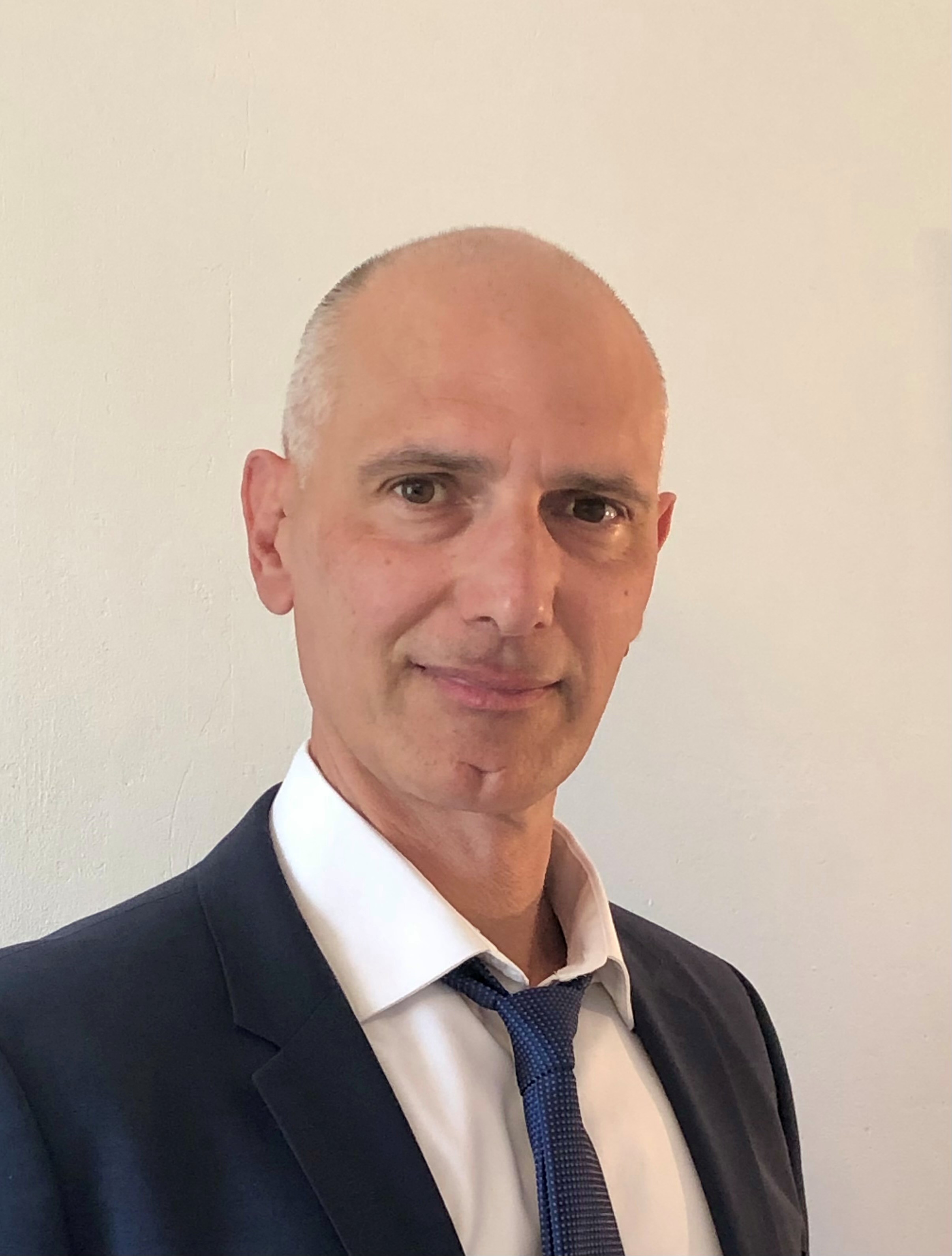
Andrea Castelnuovo is a Senior Principal System Architect at NXP Semiconductors Germany and a semiconductor industry expert. He received his Dipl.-Ing. degree in Telecommunications Engineering from Politecnico di Milano, Italy, in 1998. Over his career, he has contributed to the development of numerous semiconductor products across automotive infotainment, telematics and secure payment applications. His recent work focuses on Secure Elements, where he applies extensive experience in SoC architecture to the design of secure, reliable, and highly integrated solutions.
